

- About
- Parenting Articles
- For Providers
- For Corporates
Tips on Teaching Your Kid to Say Sorry
By Ipsita Mitra · Content Specialist, Kiddenz
Most child experts’ consent that kids should not be compelled to say "sorry" when they do anything wrongly. But, that does not mean kids should be let off for bad behaviour. Adults should take the opportunity to educate kids about why their behaviour was wrong and learn about good etiquette simultaneously. Forcing a young child to apologise after he hits or bites a friend, may mean just saying a "sorry" statement without making their behaviour change. In such cases, what should parents and providers do?

Teaching your kids etiquettes for saying sorry is harder than it seems. For beginners, your kid needs to let go off his self-esteem and ingest his arrogance to say sorry. Also, your child may not think or consent that his behaviours call for a confession at all. And finally, also if they are eager to say sorry to run away your anger, it is hard to make sure that they mean it.
Why teaching your kids etiquette for saying sorry is important?
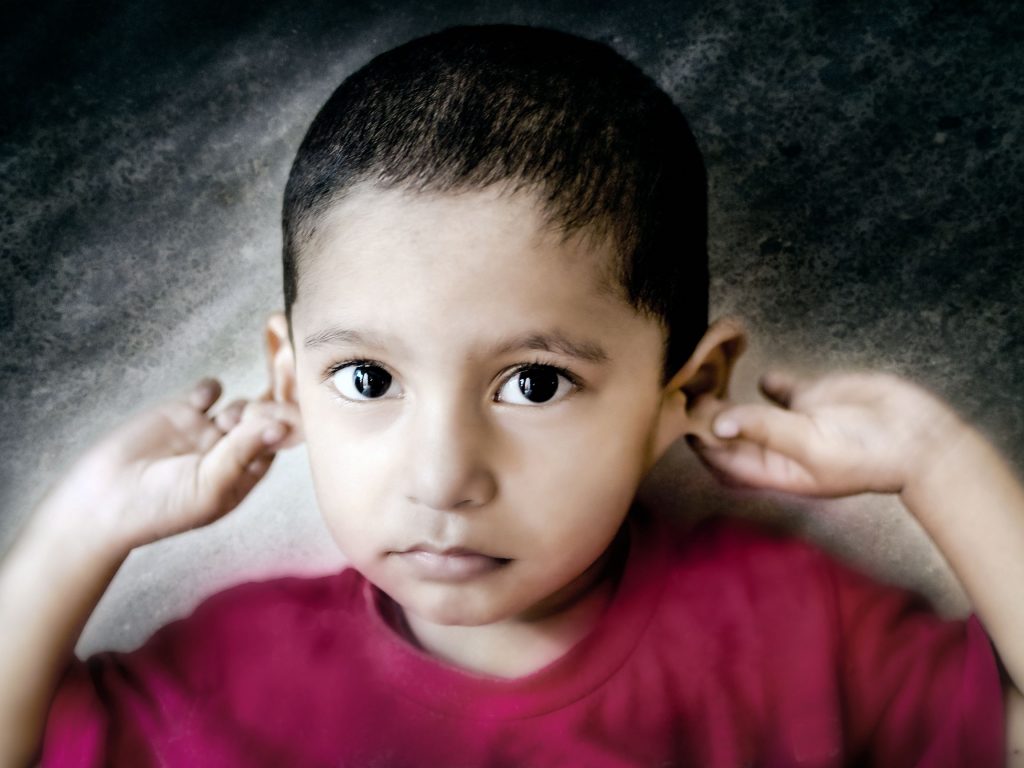
Saying sorry is not just a social gesture. It assists your child to identify right from wrong, take liability for his wrongs, modify his errors, clear the air and cure a relationship. For raising an adult who is accountable enough to accept his errors and say sorry, practice the below-mentioned tips with your child.
Teach your kids etiquette when to make an apology
It is hard to teach a small kid what is always incorrect and correct. But it is also vital that you start making them alert of these two concepts in the early hours. To aid them to understand their errors motivate your child to understand – enquire them how they will feel if something similar was done to them.
Explain to your child how to apologise correctly
A good apology is not just saying sorry. Teach your child different “elements” of a good apology:
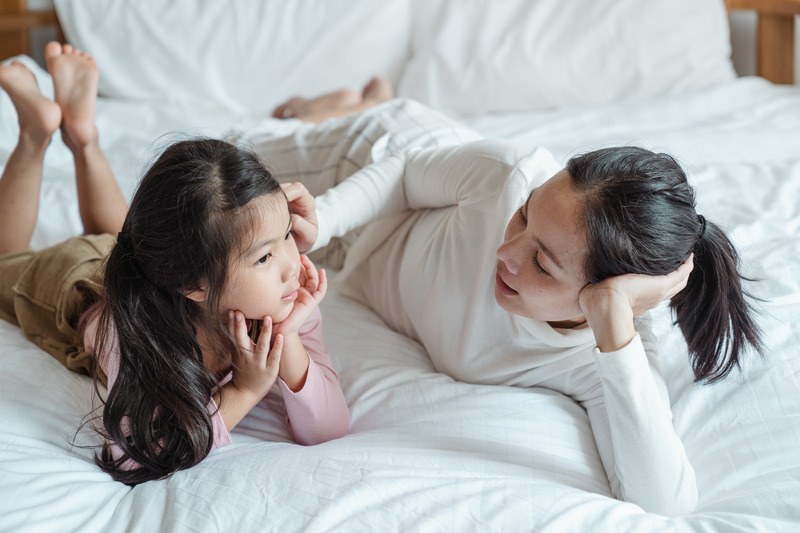
- Stand still and straight
- Make eye contact
- Motivate your kid to put in language what he did incorrectly so that the listener knows that your kid knows why he/she is disturbed.
- Conclude with a promise for future behaviour
- Follow up with a question to ensure that he is forgiven
- Use the correct tone of voice. For saying sorry you can utter it in diverse tones and assist the child know when it sounds like you does not mean it and when it does.
Be unbiased
Maximum parents fall on two edge – they are either very guilty about their kid’s behaviour or they are too nice, blame their kid and support the other children. But none of these are excellent ideas. Explain to the kids that it does not matter who did it, however, now that there is an issue both kids need to make an apology to one another. If your kid feels awful about it, later on, clarify to him that argument typically happens when more than one person is involved, may not be equal but both add towards it. Thus, it is essential to say sorry even if your child did not begin it.
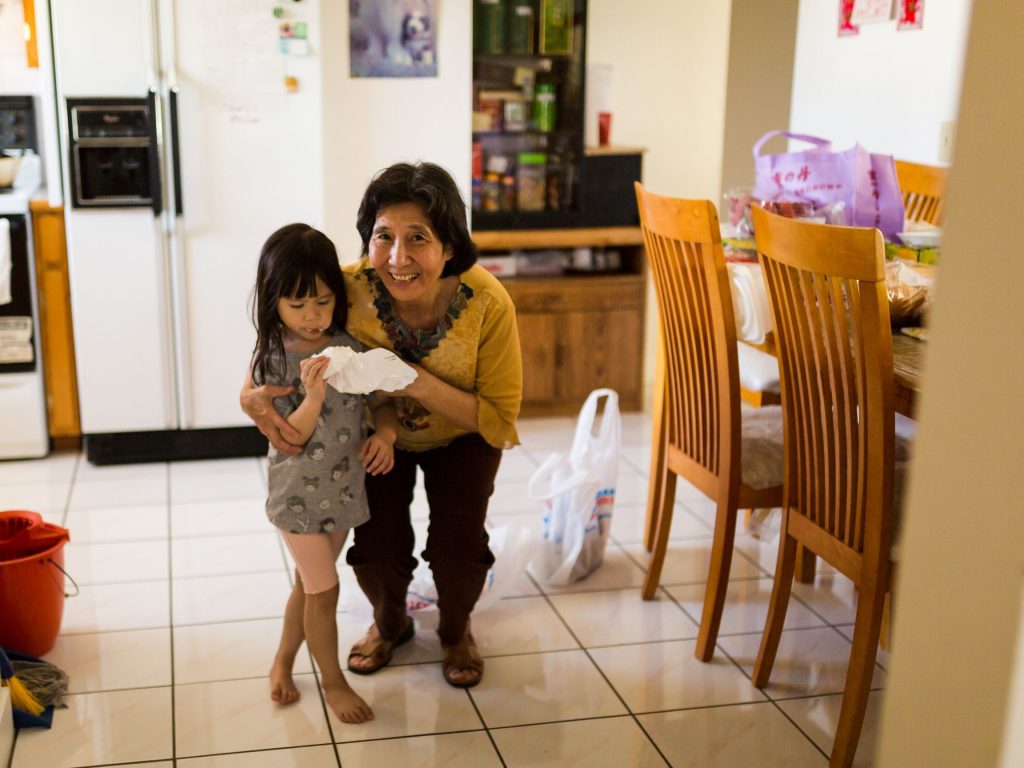
Though it might be difficult initially, slowly your child will develop a sense of liability and understand the implications of his behaviour and actions. Empathy will grow and you will feel proud to have raised a well-bred child.
Related Articles
.png)
Reach parents through Kiddenz
Parents
Preschool near me
Playschool near me
Daycare near me
24-hour daycare near me
Montessori near me
Childcare near me
Kiddenz
About Kiddenz
Best preschool and daycare
Search by location
Search by route
Career
Parenting articles
For Corporates
Corporate Childcare Solution
For providers
Register
Get reviews
Advertise on Kiddenz
FAQ
Contact us
Articles
Vollgas Eduventures Private Limited