

- About
- Parenting Articles
- For Providers
- For Corporates
Tips on How to Teach Your Baby to Walk
By Ipsita Mitra · Content Specialist, Kiddenz
Seeing your child take his first steps is one of the most thrilling early milestones. Children go through numerous developmental stages before learning to walk, which include crawling, sitting, standing and pulling up. While all toddlers tend to pursue the same development through these phases, no two babies experience them at the same time or in the same manner. That said, there are lots of ways you can assist your baby along in his journey to walk!
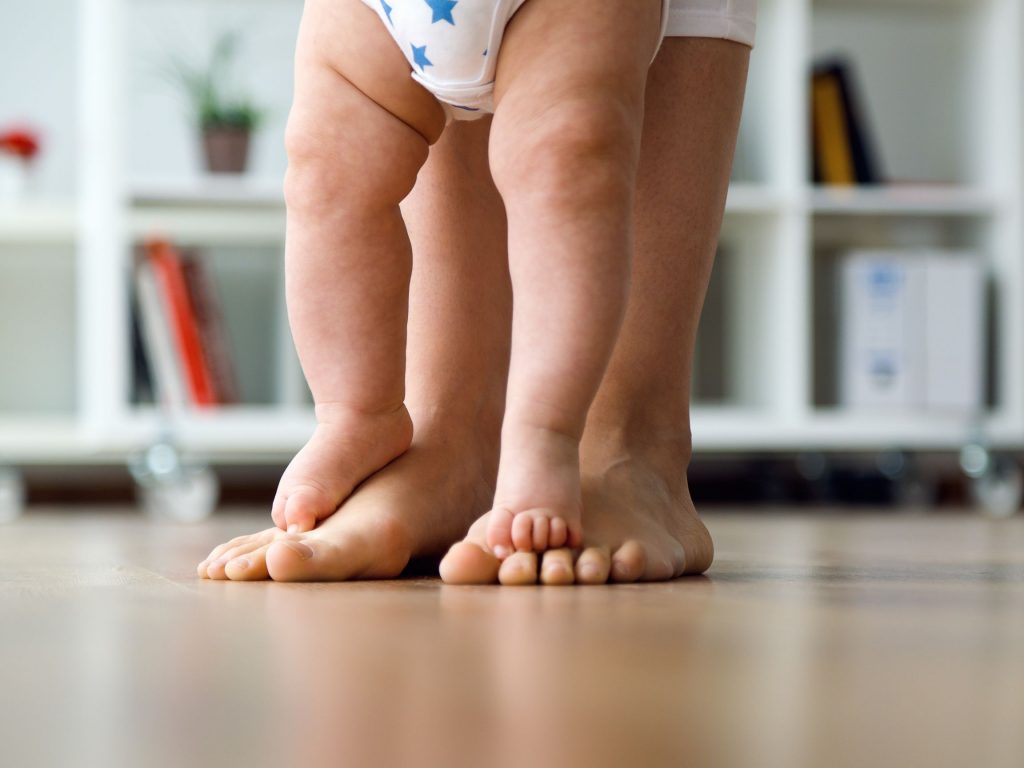
When do babies start walking?
Usually, a baby learns to walk at about 14 months, but every baby is different, so some may get there earlier and some will take a little longer. It is important that you give them time, even up to 18 months is considered common, though you can persuade them to practise often and try not to carry them in all places. If you are still concerned, it may be wise to seek medical assistance, so trained professionals can check your child’s reflexes, muscle tone, and posture.
Tips on how to teach your baby to walk
- Even though you cannot rush their development, there are a few things you can do to assist build their harmonization and self-assurance.
- Place an attention-grabbing toy on a chair to motivate your baby to get to it
- Provide your baby lots of appreciation whenever they drag them up to standing and assist them to sit down again as they would not have learned this yet
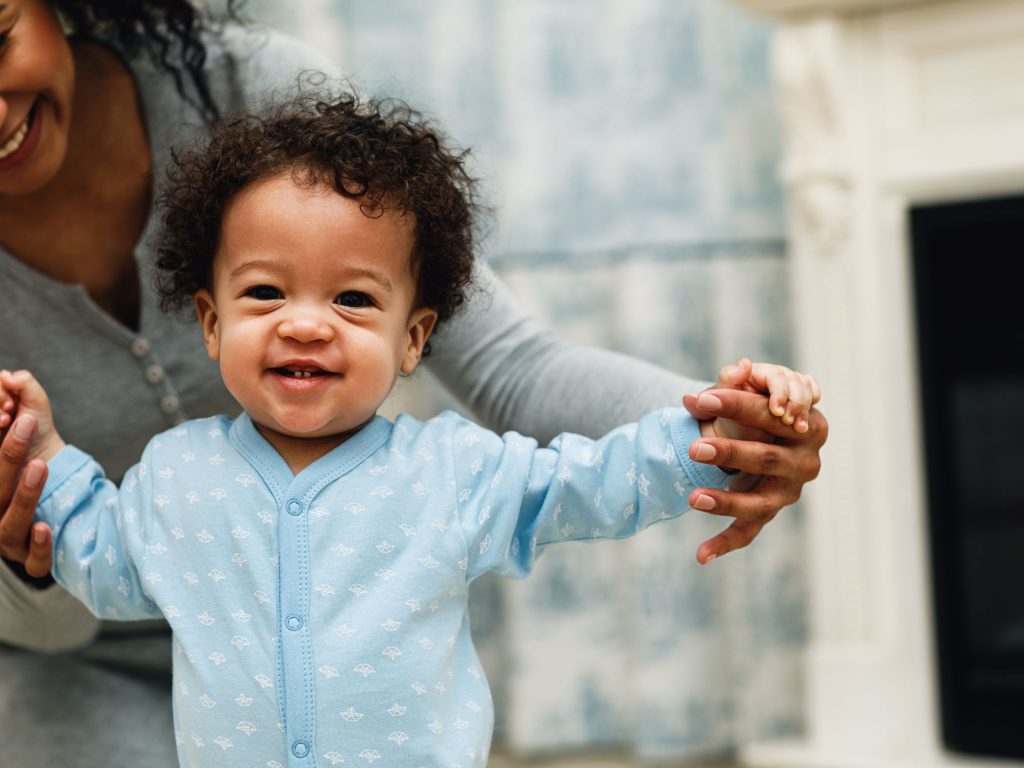
- If your baby is standing self-confidently by holding furniture, motivate them to ‘travel’ around furniture or to grasp their hands and get them to stroll
- Once your little one tries to pull a push-along toy, they use it to support themselves when walking. Ensure it is firm and solid enough to support their weight steadily.
- Your encouragement and smiling face is the most excellent way to motivate your baby to take their first steps on their own. Thus, stoop a few feet away, hold out your arms and smile as you advise your baby to take a few steps towards you
Things that you should not worry about
There are several peculiarities you will notice as your child waddles around — all of them completely normal:
Flat feet
Although you may find your baby’s feet appear flat, that is just baby fat plumping them up. By three years, the extra “plump” should dissolve and you will be able to see her natural curves. The feet may also bend inward, almost like half-moons. That is quite normal as it will take time to straighten out.
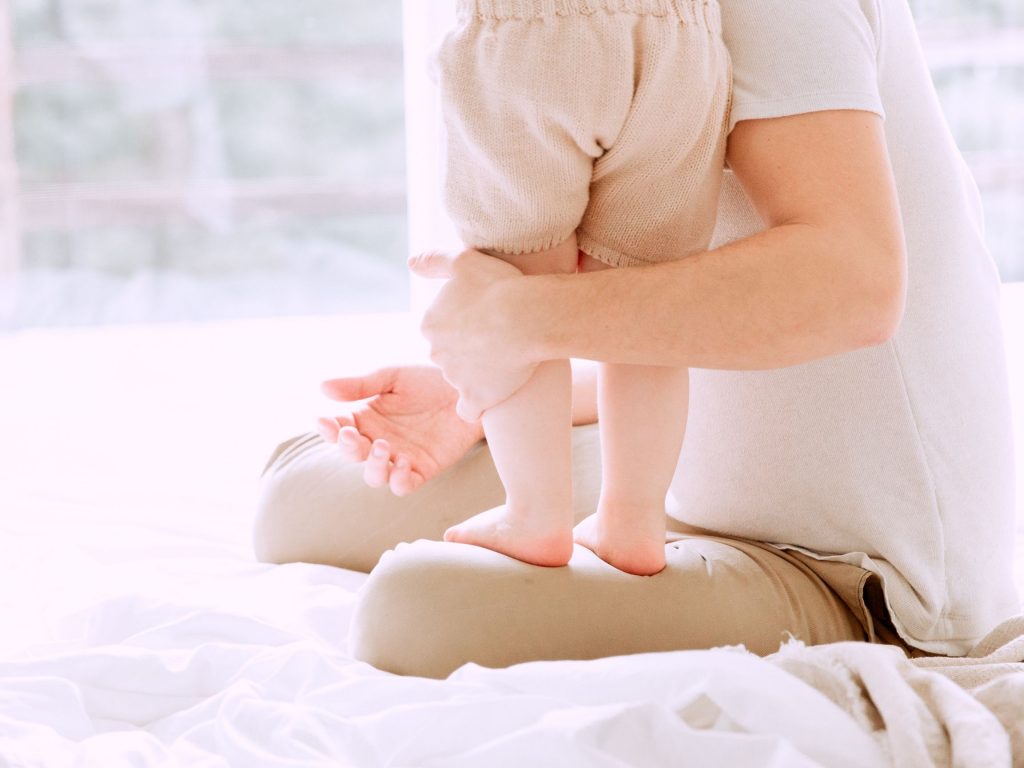
Tiptoe walking
Some babies have a desire to go around on their tiptoes which helps them develop their sense of balance. While in few cases tiptoeing may specify too-tight muscles in the feet or heels, it is almost always a peculiarity that goes away on its own.
Trips and falls
Ensure your home is childproofed and watch her at all times cautiously — then try not to tension over her predictable fall over. Your little one may indeed cry if he falls, but prospects are he is more irritated than wounded.
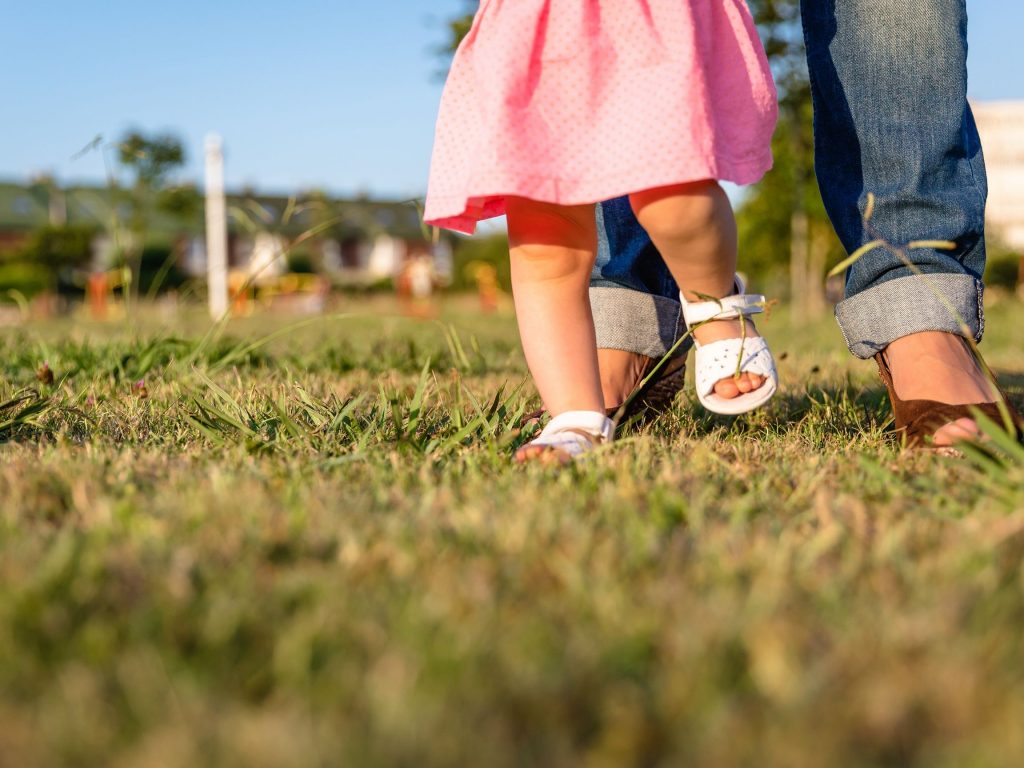
Once your baby is getting around on her own two feet, she will keep on discovering new things.
Related Articles
.png)
Reach parents through Kiddenz
Parents
Preschool near me
Playschool near me
Daycare near me
24-hour daycare near me
Montessori near me
Childcare near me
Kiddenz
About Kiddenz
Best preschool and daycare
Search by location
Search by route
Career
Parenting articles
For Corporates
Corporate Childcare Solution
For providers
Register
Get reviews
Advertise on Kiddenz
FAQ
Contact us
Articles
Vollgas Eduventures Private Limited