

- About
- Parenting Articles
- For Providers
- For Corporates
Child Safety: Identifying the Common Signs of Sexual Abuse
By Ipsita Mitra · Content Specialist, Kiddenz
Signs of child sexual abuse could be emotional and/or physical, with physical symptoms being less common. Emotional signs can vary from “too ideal” behaviour to depression, withdrawal, or unexplained anger. It is vital to remember that some children may show no signs at all. There are also red flag behaviours you can recognize if you know what to look for to assist intervene in the grooming process.
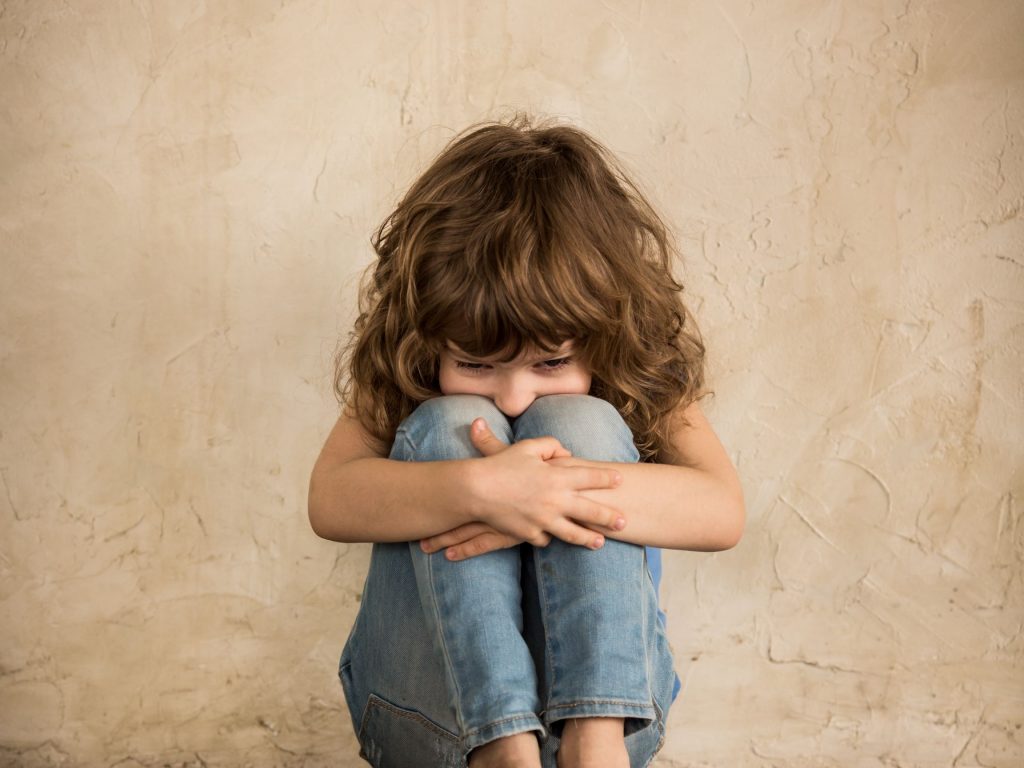
Emotional Signs
Emotional and behavioural changes or signs are more common than physical signs and can include:
- Depression and anxiety
- Change in eating habits
- Sleep disturbances, including night terrors or nightmares
- Unusual fear of certain places or people; unwillingness to be unaccompanied with a certain person
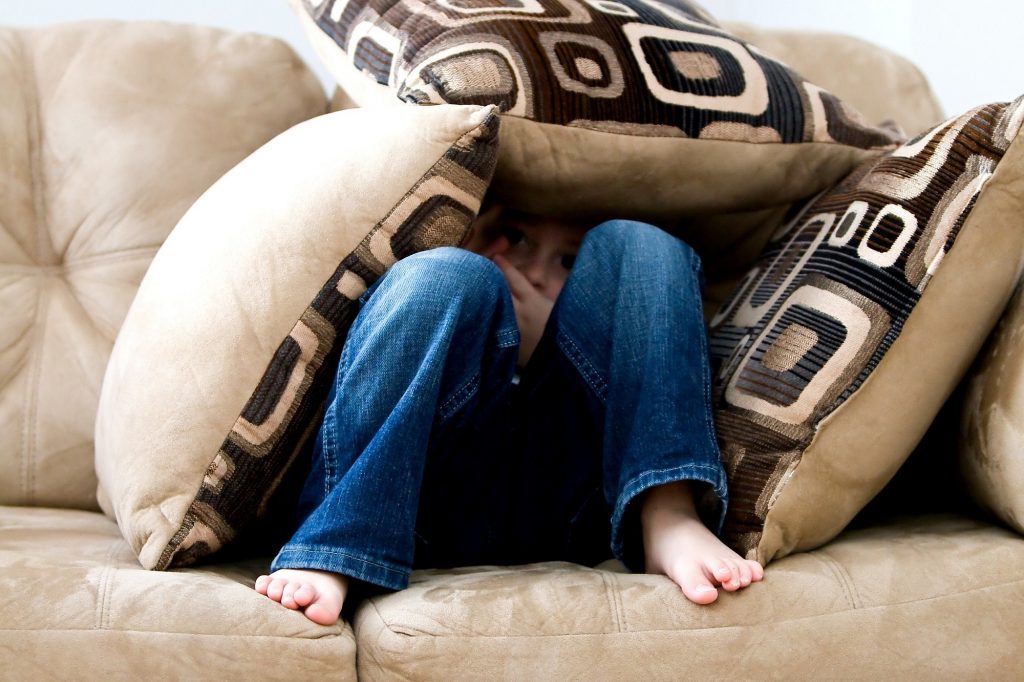
- Withdrawal; runaway behaviour
- Changes in mood include aggressiveness towards pets, parents, friends, siblings, and anger
- Frequent unexplained or health problems such as stomach aches or headaches
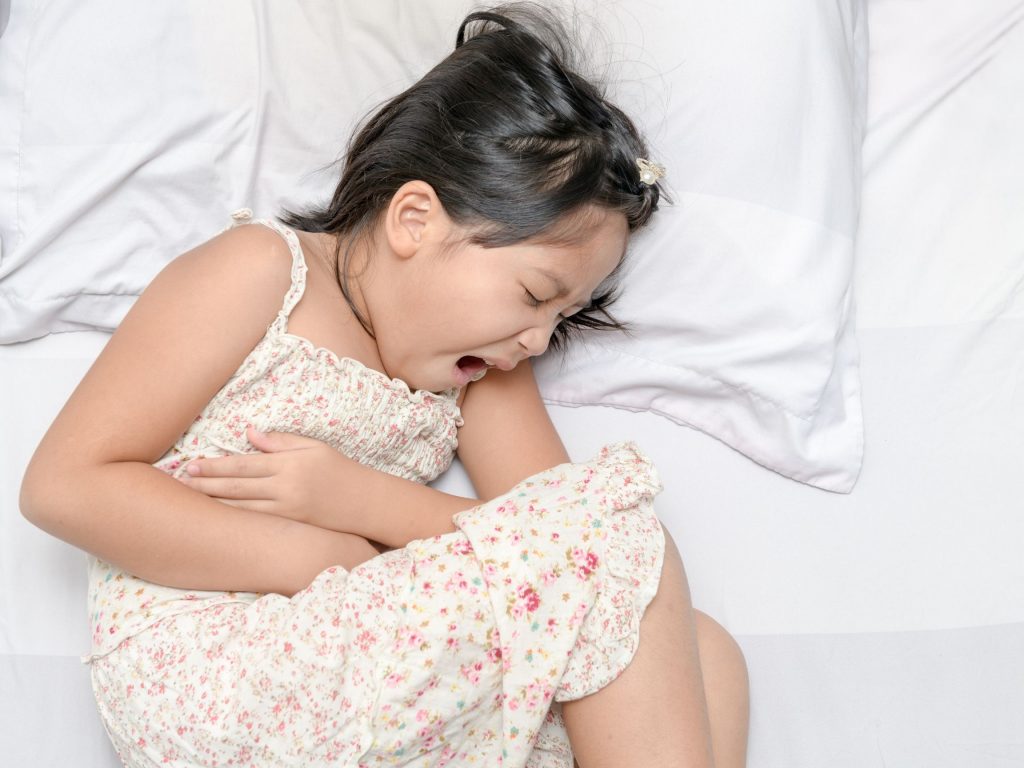
- Alteration in attitude towards academic or school performance; no interest in sports, friends or other activities
- Poor confidence; avoidance of relations
- Self-mutilation or change in body discernment, such as thinking of body or self as bad or dirty; suicidal thoughts
- Unusual behaviours, for instance, thumb-sucking or bedwetting
- Abnormal knowledge or sexual behaviours of advanced sexual behaviours and language
- Too “ideal” behaviour or overly compliant behaviour
Physical Signs of Abuse
The physical signs of sexual abuse are not usual. But, when physical signs are present, they might include bumps, bleeding, bruising and redness, or scabs around the mouth, anus, or genital. Sexually transmitted diseases, urinary tract infections, and penile discharge or abnormal vaginal discharge are also warning signs.
Other indirect physical signs comprise:
- Headaches
- Wetting or soiling accidents unrelated to toilet training
- Chronic stomach pain
- Chronic or relentless pain during stool movements or while passing urine
- Sexually transmitted diseases
Symptoms that a person may be harming a child
Keeping children safe can be as hard as numerous perpetrators who abuse children sexually are in positions of trust. Keeping a kid away from the perpetrator may indicate major changes in your own life.

Be cautious of an adult who spends time with kids and exhibits the following behaviours:
- Does not admire boundaries or listen when anyone tells them “no”
- Engages in touching a child inappropriately
- Tries to be a kid’s buddy instead of filling an adult role in the child’s life
- Does not seem to have age-appropriate relation
- Discusses with children about their relationships or personal problems
- Spends time alone with children outside of their role in the child’s life or makes up justifications to be alone with the kid
- Expresses bizarre curiosity in the sexual development of the child, such as sexualizing normal behaviours or commenting on sexual uniqueness
- Offers gifts to the kid without reason or occasion
- Spends a lot of time with your kid
Taking action is not easy, but it is vital

It is not always easy to recognize child sexual abuse—and it can be even more demanding to step in if you believe something is not right. If a child informs you that a particular person makes them feel embarrassing, even if they cannot tell you everything, pay attention.
Consult with somebody who can assist you find out if this is something that must be reported, such as a staff member from your local sexual assault service provider.
Related Articles
.png)
Reach parents through Kiddenz
Parents
Preschool near me
Playschool near me
Daycare near me
24-hour daycare near me
Montessori near me
Childcare near me
Kiddenz
About Kiddenz
Best preschool and daycare
Search by location
Search by route
Career
Parenting articles
For Corporates
Corporate Childcare Solution
For providers
Register
Get reviews
Advertise on Kiddenz
FAQ
Contact us
Articles
Vollgas Eduventures Private Limited